Camera Gear Checkout System: Stop Losing Track of Loans
Set up a camera gear checkout system with named borrowers, due dates, condition checks, extensions, overdue actions, and a clear return workflow.
 Dylan AndersenPublished 8 min read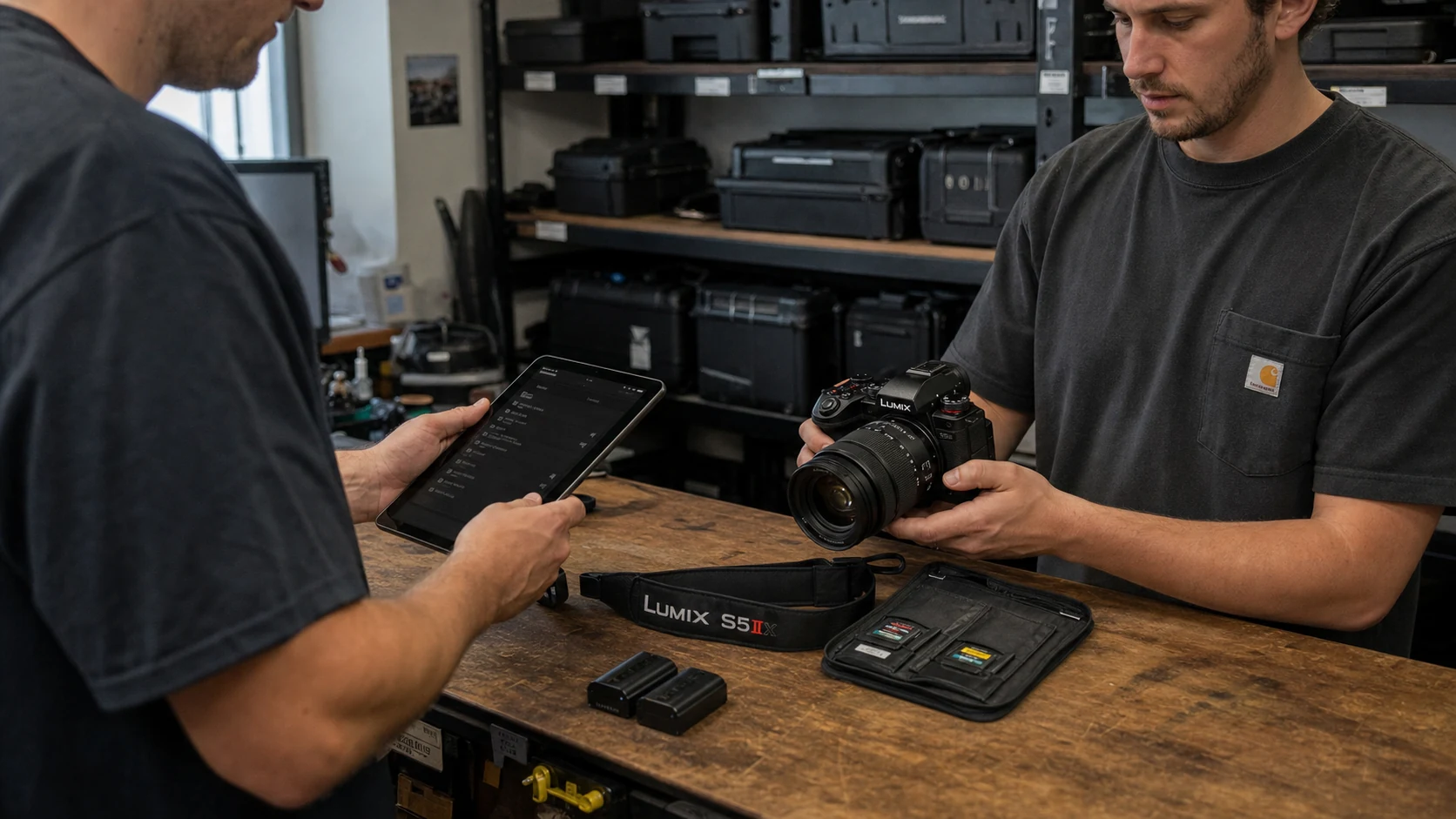
In this guide
The short answer
A camera gear checkout system records the exact item, borrower, destination, project, checkout time, due date, starting condition, included accessories, and return result. It should preserve extensions and history, alert the responsible people, and keep loaned or damaged items out of the available pool.
What should every camera gear checkout record include?
Name the item at serial-number level whenever loss, replacement cost, or availability matters. “One Lumix body” cannot tell you which body left, which condition photo applies, or which upcoming shoot now has a conflict.
- Item
- Exact inventory record, serial number, photo, and required components.
- Borrower
- Named person, team, or outside party with reliable contact details.
- Purpose
- Project, destination, use, and approving person.
- Time
- Checkout date, due date, expected handoff, and any approved extension.
- Condition
- Starting notes, item and accessory count, and evidence for existing damage.
- Commercial terms
- Fee, deposit, agreement, or responsibility notes when applicable.
How does a reliable gear checkout workflow work?
- 01
Request
Borrower identifies dates, project, destination, and the outcome the kit must support. - 02
Approve
Owner checks availability, conflicts, borrower authority, and any special terms. - 03
Prepare
Test the gear, count required parts, charge power, clear media, and note condition. - 04
Hand off
Both parties confirm the exact items, due date, contact path, and condition. - 05
Monitor
Send reminders before due time and record extensions as events. - 06
Return
Verify serials, count parts, test operation, inspect condition, and return items to locations. - 07
Close or service
Close a clean return or open a maintenance record before making the item available.
Should you check out a kit or each individual item?
Use a kit for speed and individual item records for accountability. A saved interview rig can start the checkout, but the handoff should still identify the exact camera, lens, microphone, transmitter, battery set, and adapter that left.
This hybrid approach handles substitutions. If the usual 24–70mm is in service, the rig can use another lens without losing the history of which serial number went out.
| Approach | Strength | Risk |
|---|---|---|
| Kit only | Fast handoff | Missing or substituted parts are hard to prove |
| Item only | Precise accountability | Slow for repeatable multi-item setups |
| Saved kit plus item confirmation | Fast start and exact handoff | Requires a short verification step |
What should happen when camera gear is overdue?
Use a written escalation path before the first late return. Send a reminder before the due date, contact the borrower when it passes, notify the gear owner or producer, and expose any production conflict. Record every new commitment instead of replacing the original due date.
For outside loans or rentals, the agreement should define late fees, loss, damage, insurance, and return method. Have a qualified professional review contracts used in your jurisdiction and business.
How does GearDex track camera equipment loans?
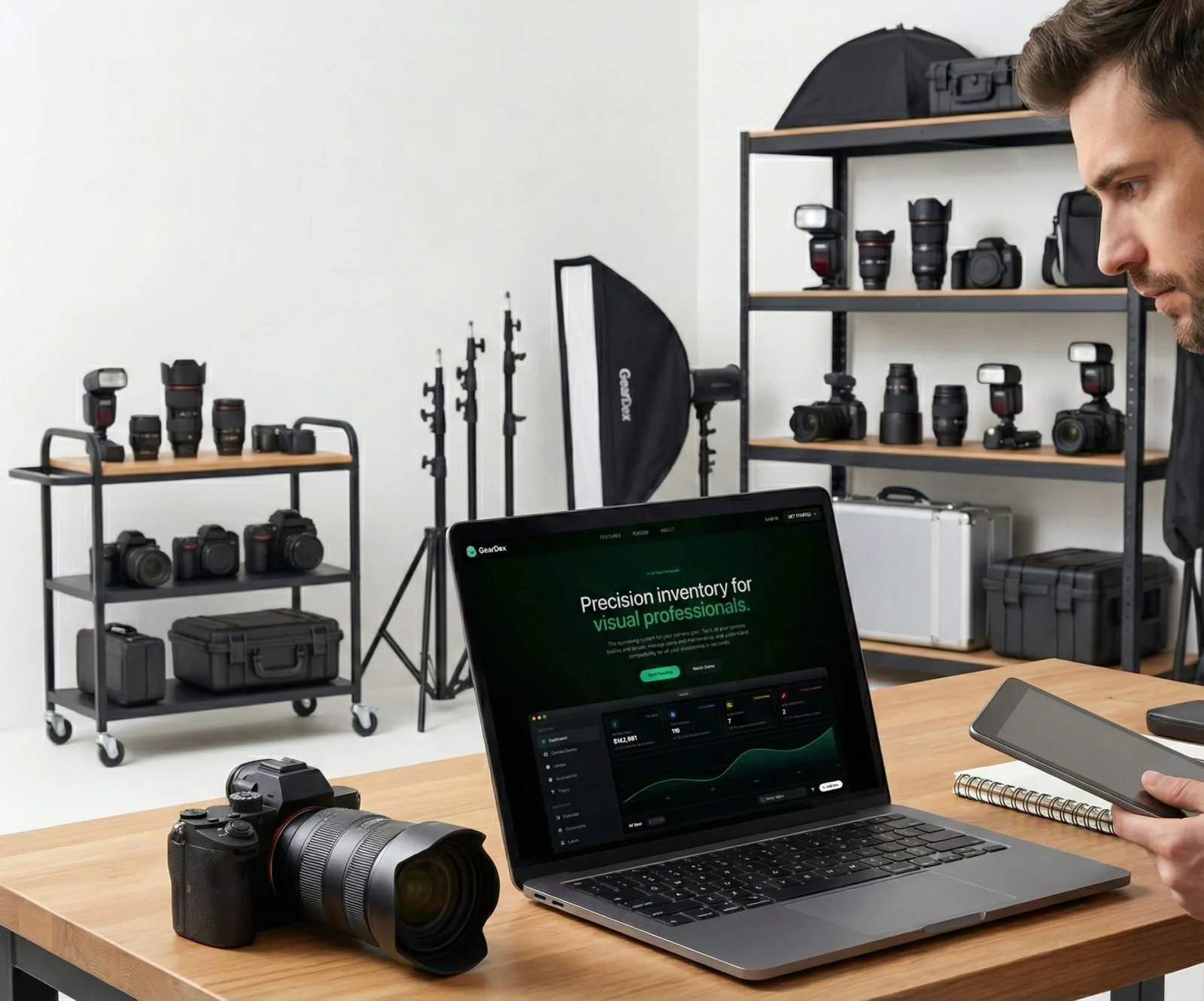
GearDex connects outgoing and incoming loans to inventory records with borrowers, dates, due status, values, and history. Calendar and reporting views help show returns beside shoots, maintenance, and other equipment events.
Create the loan before the item leaves your control. A checkout record made after the fact may preserve the name, but it misses the best moment to verify serial, condition, accessories, and due date together.
Frequently asked questions
How do photographers track borrowed gear?
Use an item-level checkout record with borrower, project, destination, checkout date, due date, starting condition, accessory count, reminders, extensions, and return verification.
Should every battery and cable have its own checkout record?
Track individually when the part is expensive, serialized, safety-sensitive, or operationally critical. Count low-cost identical items inside a kit when individual tracking would slow the handoff without adding useful accountability.
How should overdue gear be handled?
Follow a written reminder and escalation path, preserve the original due date, record new commitments, and make any conflict with upcoming work visible to the responsible producer or owner.
Can GearDex track incoming and outgoing equipment loans?
Yes. GearDex loan records can connect borrowed and lent equipment to dates, people, due status, values, calendar context, and inventory history.