Lens Tracking Systems: Never Lose Track of Your $10,000 Glass Collection
Learn how professional photographers track expensive lens collections with modern inventory systems. Prevent loss, manage loans, and monitor depreciation.
 The GearDex TeamPublished 7 min read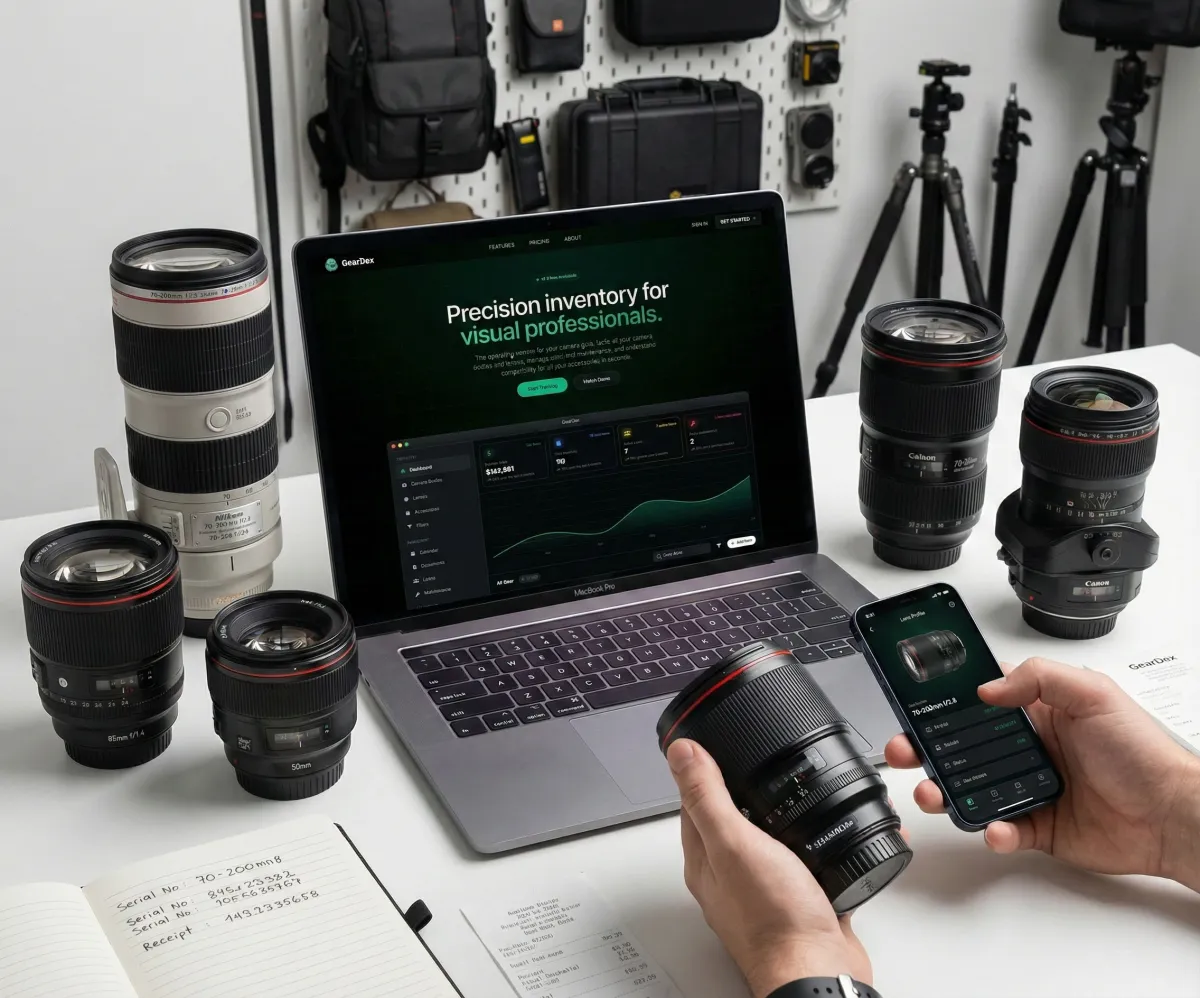
In this guide
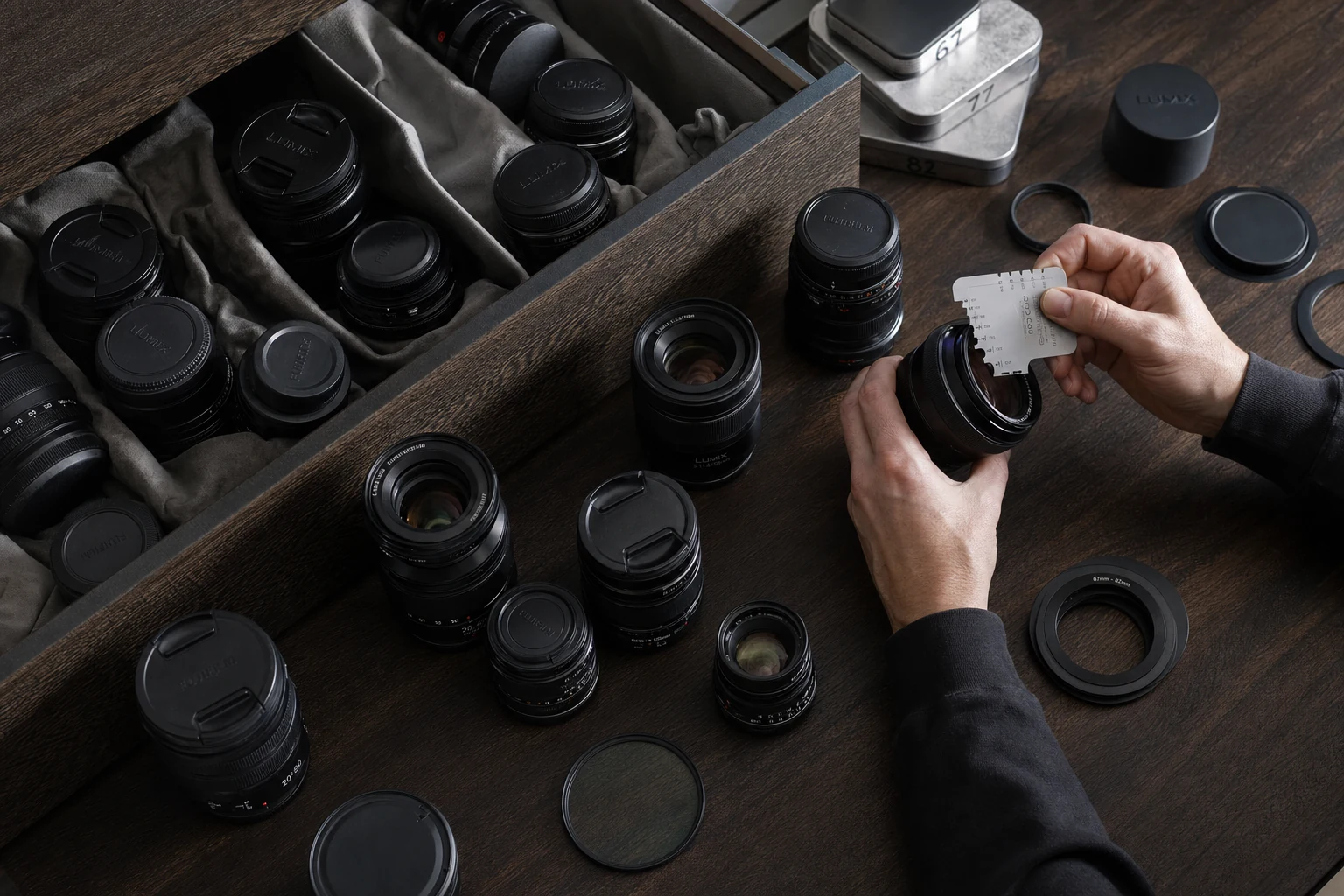
If you've been shooting professionally for a few years, you've probably accumulated a lens collection worth more than your car. A 70-200mm f/2.8, a few prime lenses, maybe a specialty tilt-shift or macro—it adds up fast. Yet many photographers treat their glass collection like books on a shelf: they sort of know what they have until something goes missing.
Lenses present unique tracking challenges. Unlike camera bodies that you use on every shoot, lenses rotate in and out of your bag depending on the job. They get loaned to assistants, left in rental lockers, or packed away for months. Without a proper lens tracking system, you're one forgetful moment away from losing thousands of dollars.
The Hidden Costs of Lens Mismanagement
Poor lens tracking costs photographers in ways that aren't immediately obvious:
- Lost or stolen equipment: Can't prove ownership without serial numbers? Your insurance claim gets denied, and you're out $2,000+ for that telephoto lens
- Duplicate purchases: Forgetting you already own a 50mm f/1.8 leads to buying another one, wasting hundreds of dollars
- Missed maintenance: Lenses need periodic calibration and servicing, but without tracking, you forget until autofocus starts missing
- Loan confusion: Did you lend that 24-70mm to your second shooter or your assistant? Without records, awkward conversations and potential relationship damage follow
- Tax headaches: Come tax time, you can't remember what you bought this year or prove depreciation on older glass
Serial Number Tracking: Your First Line of Defense
Every lens has a serial number, usually engraved near the mount or on the barrel. This number is your lens's fingerprint—unique identification that proves ownership if the lens is stolen and recovered by police, or required by insurance companies processing claims.
But serial numbers are useless if you don't record them. Here's what you need for each lens:
- Serial number
- Photo of the serial number label (insurance companies often request this)
- Purchase date and original receipt
- Purchase price and current estimated value
- Warranty expiration date
Professional lens tracking systems make this easy by storing all metadata in one place with attached photos and documents. When you need to file a police report or insurance claim, you can export everything instantly instead of digging through old emails and receipts.
Managing Lens Loans to Assistants and Clients
If you work with second shooters, assistants, or occasionally rent gear to trusted clients, loan tracking becomes critical. A casual "sure, borrow my 85mm" can turn into "wait, who has my lens?" weeks later.
Effective loan management requires:
Clear Check-Out Records
Document who borrowed what, when they took it, and when it's due back. Include condition notes—any existing scratches or wear—to avoid disputes when the lens returns.
Automated Reminders
If a lens is still out after the agreed return date, you need to know immediately. Good tracking systems send automatic reminders so you don't forget to follow up.
Borrower Accountability
Keep a history of loans by person. If the same assistant consistently returns gear late or damaged, you'll have records to reference when setting boundaries.
Tracking Maintenance and Calibration Schedules
Lenses aren't "set it and forget it" tools. Over time, they need attention:
- Calibration: Autofocus can drift, especially after impacts or heavy use. Professional lenses should be checked yearly
- Cleaning: Internal elements accumulate dust and fungus in humid climates. Periodic professional cleaning extends lens life
- Firmware updates: Modern lenses have firmware that manufacturers update for compatibility and performance improvements
- Warranty service: If you notice issues within the warranty period, address them before coverage expires
Without tracking, these maintenance tasks fall through the cracks. You end up with soft autofocus, internal fungus, or expired warranties when problems arise. A good lens tracking system includes maintenance scheduling with reminders, ensuring your glass stays in peak condition.
Insurance Documentation Best Practices
When you file an insurance claim for lost, stolen, or damaged lenses, insurers require proof of ownership and value. The more documentation you provide, the faster your claim processes and the less likely it gets denied.
Essential insurance documentation includes:
- Photos of each lens from multiple angles
- Clear photos of serial numbers
- Original purchase receipts or invoices
- Current replacement cost estimates
- Condition reports documenting any existing damage
Keep this documentation updated. When you acquire new lenses, add them to your inventory immediately. When market values change significantly, update your records. Insurance companies pay based on replacement cost, so accurate values ensure proper coverage.
Using GearDex for Lens-Specific Tracking
GearDex was designed with lens tracking as a core feature. Our system lets you:
- Catalog every lens with photos, specs, and serial numbers
- Track lens locations (bag, studio, on loan, in repair)
- Manage loans with check-out/check-in dates and borrower info
- Schedule maintenance reminders for calibration and cleaning
- Monitor depreciation and current market values
- Generate insurance documentation with one click
- Search and filter your entire lens collection instantly
Whether you own 5 lenses or 50, GearDex provides the structure and automation to keep track of your glass collection without the spreadsheet headache.
Conclusion
Your lens collection represents years of investment and careful selection. Don't leave it to memory and guesswork. Implement a proper lens tracking system to protect your investment, prevent loss, manage loans professionally, and stay on top of maintenance.
Start by documenting what you already own—serial numbers, photos, receipts. Then establish routines for tracking loans, scheduling maintenance, and updating insurance coverage. A few hours of setup now saves thousands in losses and headaches later.
Ready to bring order to your lens collection? Try GearDex free and see how proper lens tracking transforms your workflow.