Professional Photographer's Workflow: From Gear Check to Insurance Claims
Streamline your professional photography workflow with systematic gear management. From pre-shoot checklists to insurance claims, stay organized.
 Dylan AndersenPublished 8 min read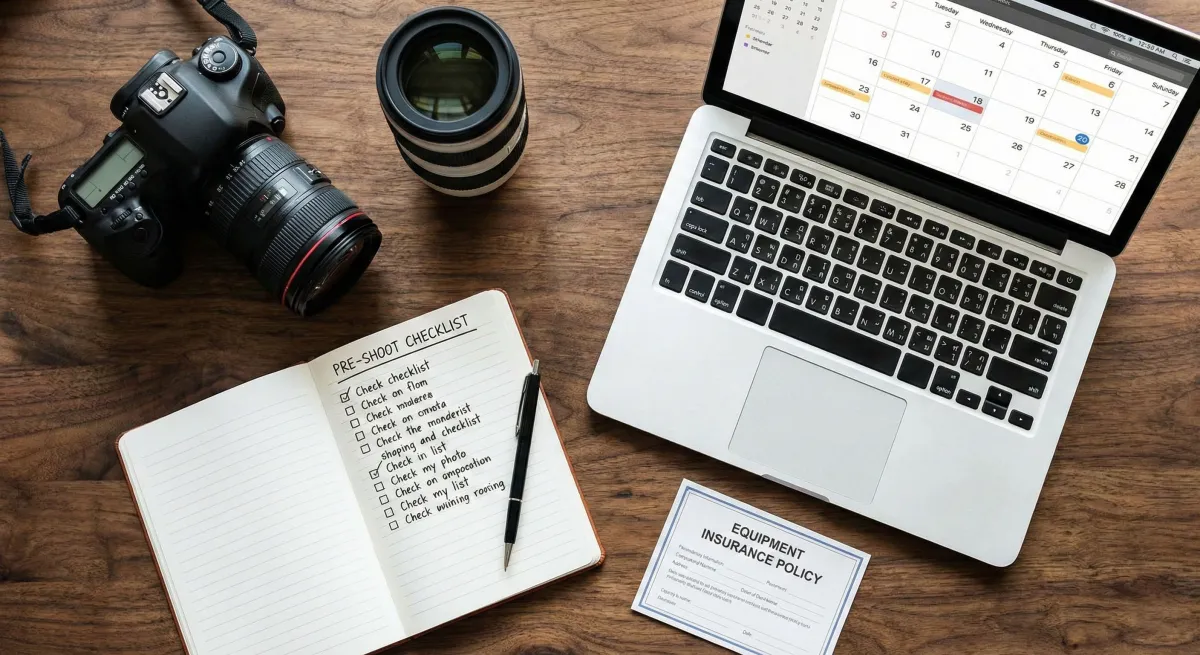
In this guide
The difference between amateur and professional photographers isn't just image quality—it's workflow reliability. Professionals show up with the right gear, properly maintained, fully insured, and ready to handle any situation. They never arrive at a wedding to discover they forgot the 70-200mm lens or packed dead batteries.
This level of consistency doesn't happen by accident. It comes from systematic gear management workflows that cover everything from pre-shoot equipment checks to insurance documentation. Let's build yours.
Pre-Shoot Gear Checklist Automation
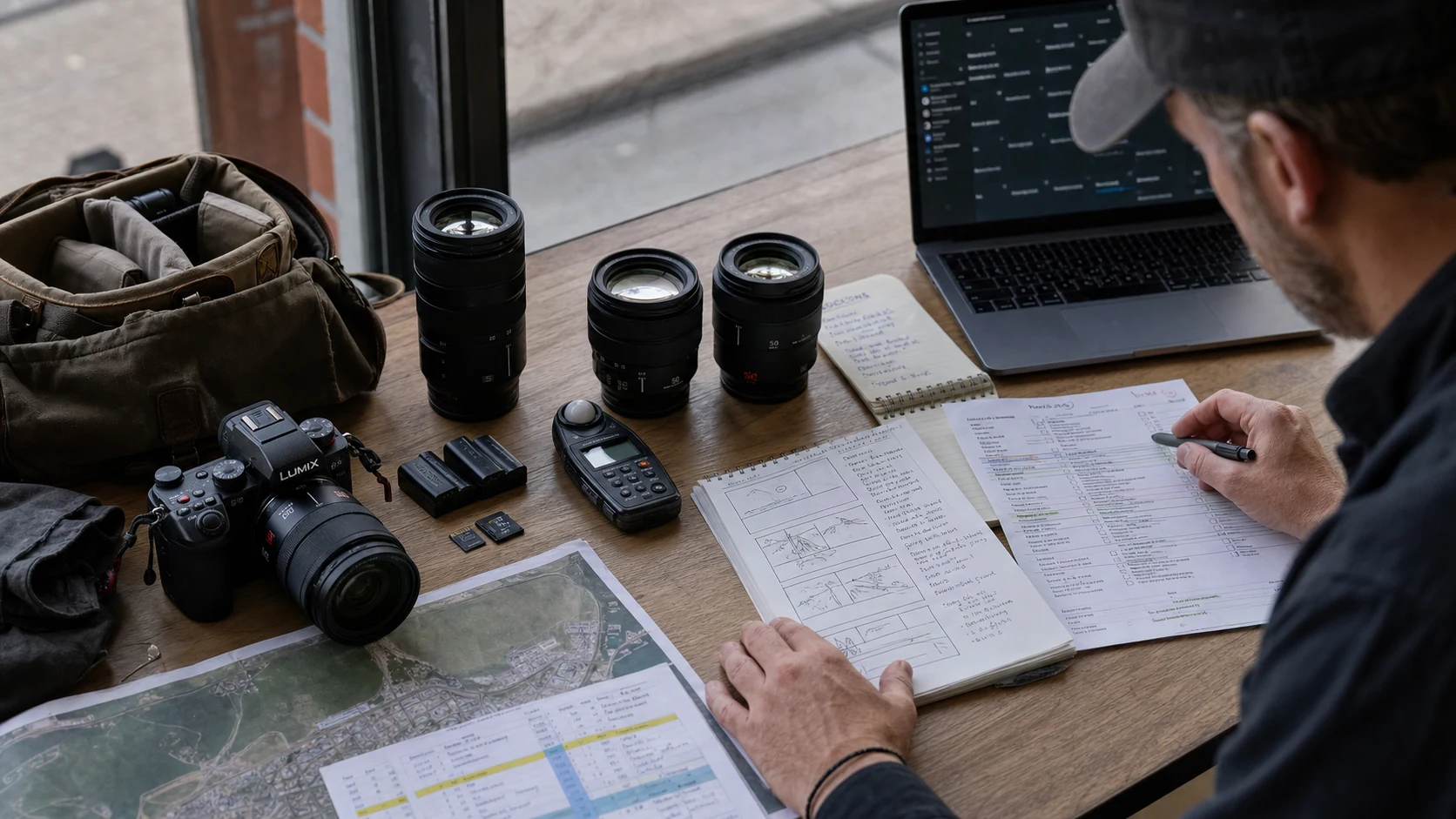
The night before a shoot, professional photographers run through a systematic equipment check. Missing this step leads to forgotten chargers, wrong lenses, or discovering equipment failures right when you need the gear most.
Build Shoot-Specific Checklists
Create standardized equipment lists for common shoot types:
- Wedding package: Two bodies, 24-70mm, 70-200mm, 85mm f/1.4, speedlights, memory cards, backup batteries
- Corporate headshots: One body, 85mm, portable lighting kit, backdrop, light meter
- Landscape expedition: Body, ultra-wide zoom, telephoto, tripod, filters, remote trigger
- Product photography: Macro lens, studio strobes, modifiers, copy stand, color calibration tools
Save these as templates so you're not building lists from scratch every time. Modern gear management systems let you create custom checklists and mark items off as you pack, ensuring nothing gets forgotten.
The 24-Hour Pre-Check
Set a reminder 24 hours before every shoot to verify:
- All required equipment is available (not loaned out or in repair)
- Batteries are fully charged
- Memory cards are formatted and empty
- Camera firmware is up to date
- Backup equipment is packed for critical shoots
This 24-hour buffer gives you time to fix problems—rent a lens if yours is in repair, charge batteries, or arrange backup equipment—instead of discovering issues on shoot day.
Traveling with Expensive Equipment
Whether you're flying to a destination wedding or driving to a client location, traveling with $20,000+ in camera gear requires careful planning.
Air Travel Best Practices
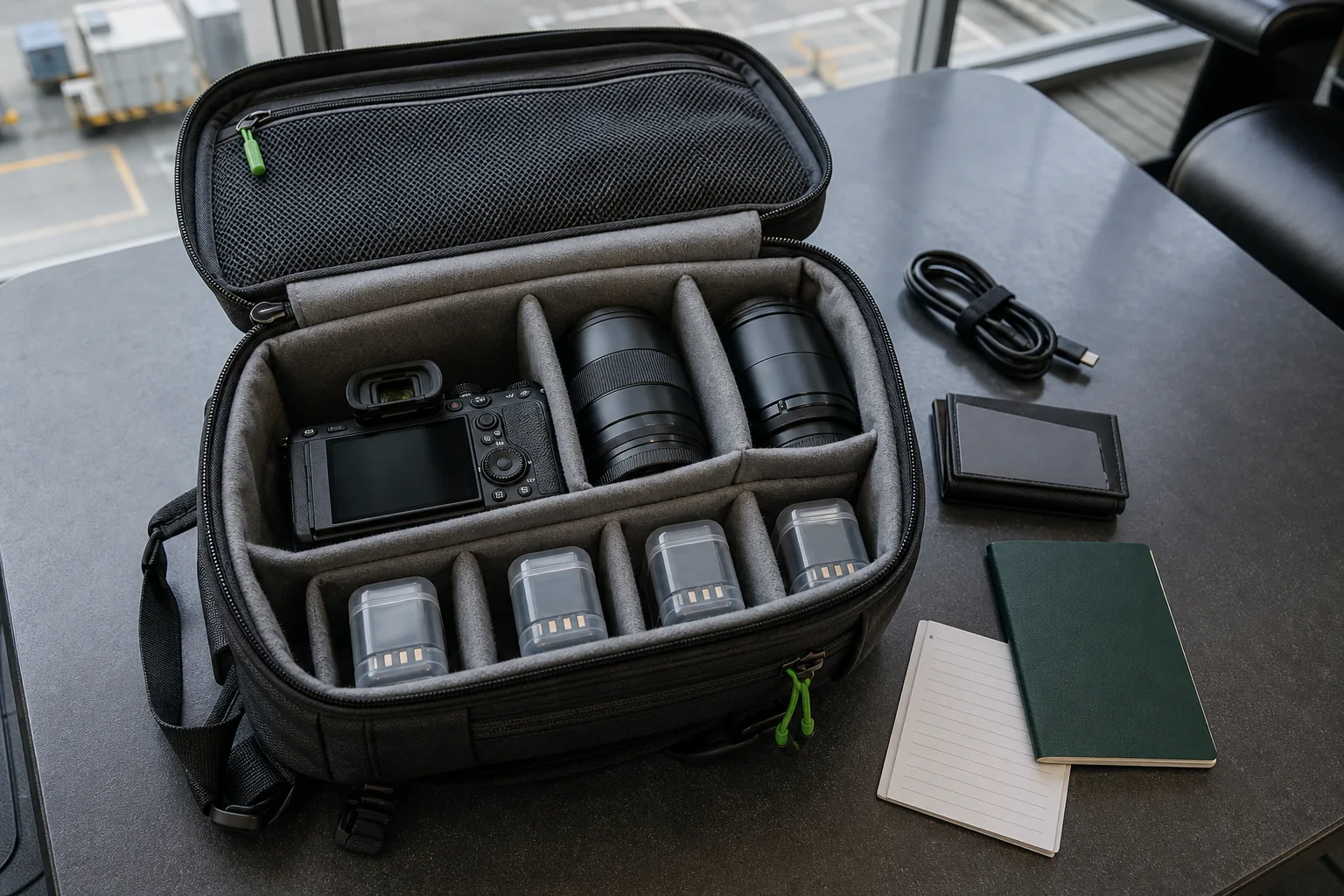
- Always carry on: Never check camera gear. Baggage handlers will not be gentle, and lost luggage means a lost shoot
- Pack strategically: Heaviest items (camera bodies) at the bottom, lenses secured upright, fragile items wrapped
- TSA-compliant locks: Use approved locks that TSA can open without breaking
- Documentation ready: Have equipment lists and serial numbers available if TSA questions your bag
- Airline notifications: Some airlines require advance notice for professional camera equipment
Vehicle Transport
Never leave camera equipment visible in vehicles. Store in trunks or covered cargo areas. If stopping overnight on road trips, bring gear inside your hotel room—car break-ins specifically target photography equipment.
International Travel
When crossing borders with expensive gear:
- Register equipment with your country's customs before departure (ATA Carnet or similar)
- Carry proof of ownership (receipts, serial number documentation)
- Research import duties—you may need to prove you're not selling equipment in the destination country
- Understand what your insurance covers internationally
Insurance Documentation Requirements
Photography equipment insurance is non-negotiable for professionals, but policies only pay out if you have proper documentation. Most photographers don't realize how detailed insurance companies require records to be.
Required Documentation
Insurance companies typically require:
- Complete equipment inventory: List of all insured items with make, model, and serial numbers
- Proof of purchase: Original receipts or invoices
- Photographic evidence: Clear photos of each item, including serial numbers
- Current values: Replacement cost estimates (updated annually)
- Condition documentation: Pre-existing damage noted before incidents
Annual Policy Reviews
Equipment values change over time. That $3,500 camera body from three years ago might only be worth $2,000 now, while you've added new lenses. Review your coverage annually:
- Update total insured value to match current inventory
- Add newly purchased equipment within 30 days
- Remove sold or retired gear to reduce premiums
- Adjust coverage limits as your business grows
Filing Claims When Gear is Damaged or Stolen
Despite best efforts, equipment gets damaged or stolen. How you file the claim determines whether it's approved quickly or denied entirely.
Immediate Actions After Loss or Damage
- File police report: For theft, get an official police report immediately—insurers require this
- Document the scene: For damage, photograph the circumstances and damaged equipment
- Notify insurer: Most policies require notification within 24-48 hours
- Preserve evidence: Don't discard damaged equipment until the adjuster sees it
- Gather documentation: Pull your pre-existing photos, receipts, and serial numbers
The Claims Process
Professional equipment claims typically follow this timeline:
- Day 1: File initial claim with basic information
- Days 2-3: Submit complete documentation package (receipts, photos, police reports)
- Days 4-7: Adjuster reviews and may request additional information
- Days 7-14: Claim approved or denied; if approved, payment issued
Claims with incomplete documentation take months or get denied. Claims with thorough documentation process in days. The difference is preparation—having everything organized before you need it.
Warranty and Service Record Tracking
Expensive photography equipment comes with manufacturer warranties, but only if you track them properly.
Register Everything
Within 30 days of purchase, register new equipment with manufacturers:
- Camera bodies typically have 1-year warranties, extendable to 2-3 years
- Lenses usually include 1-year coverage
- Third-party brands may have limited warranty coverage
- Registration often includes perks like free sensor cleaning or priority service
Track Service History
Maintain records of all service and repairs:
- Sensor cleaning dates and providers
- Lens calibration records
- Warranty repair documentation
- Parts replacement history
This history becomes valuable when selling equipment—buyers pay more for well-maintained gear with documented service—and helps you spot patterns like lenses that constantly need recalibration (indicating deeper problems).
Creating a Disaster Recovery Plan
What happens if your studio burns down, your vehicle is stolen with all your gear, or equipment is destroyed in a flight? Professional photographers need disaster recovery plans.
- Cloud-based documentation: Store all equipment records, receipts, and serial numbers in the cloud, not just on local drives
- Backup equipment network: Know which colleagues you can borrow from in emergencies
- Rental relationships: Have accounts set up with rental houses for quick access
- Client communication plan: How you'll notify clients if you can't fulfill bookings due to catastrophic loss
- Insurance fast-track: Pre-arranged processes for emergency claim processing
Complete Workflow with GearDex
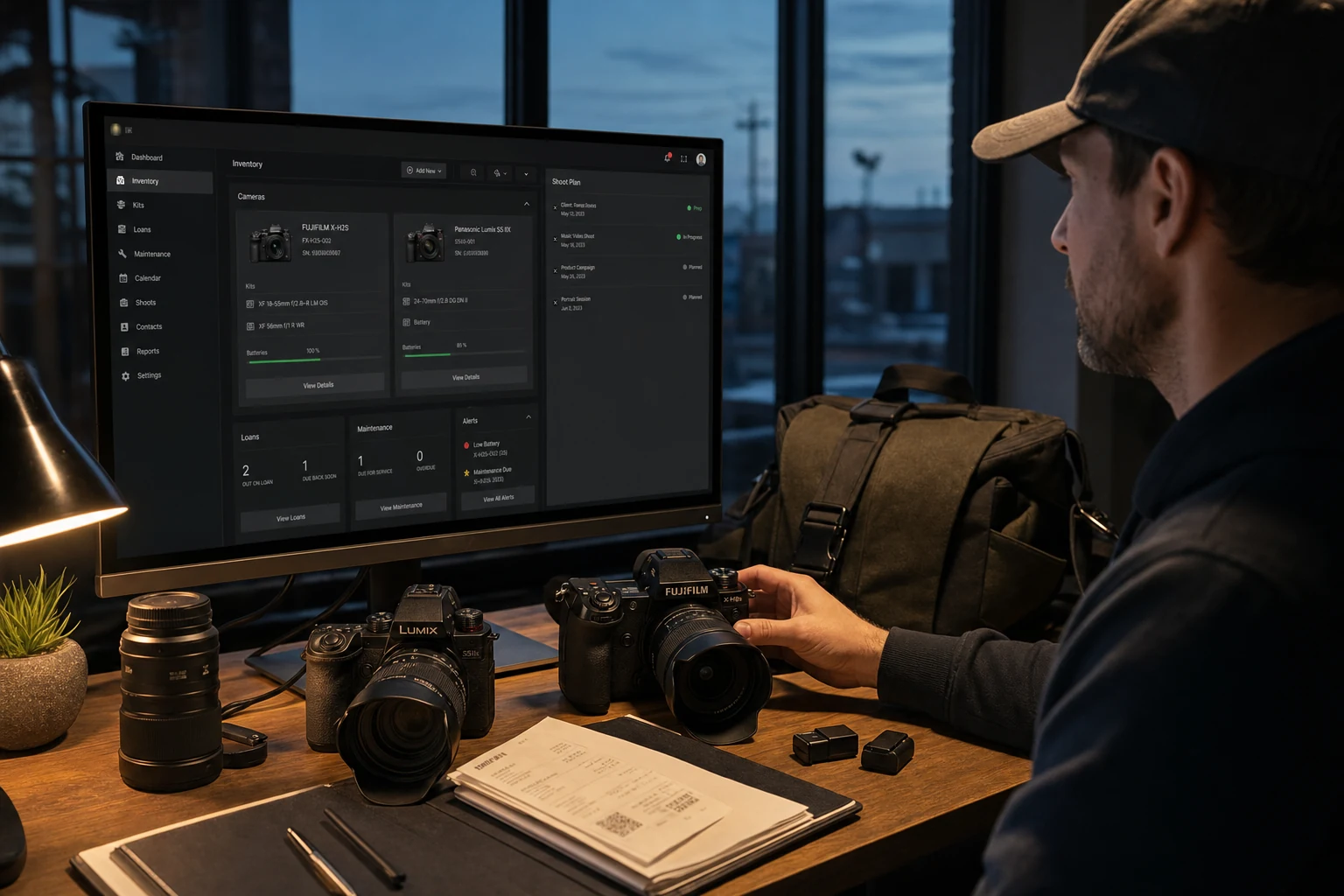
GearDex integrates every step of professional gear workflow:
- Custom checklists: Build shoot-specific equipment lists and check items off as you pack
- Pre-shoot alerts: Automatic reminders to verify equipment 24 hours before shoots
- Insurance export: Generate complete documentation for claims in seconds
- Warranty tracking: Monitor expiration dates and receive renewal reminders
- Service history: Log maintenance and repairs with dates and notes
- Cloud backup: All records automatically backed up and accessible anywhere
- Serial number database: Quick reference for theft reports or insurance claims
Conclusion
Professional photography workflows separate career photographers from hobbyists. Systematic gear management—from pre-shoot checks to insurance documentation—ensures you're always prepared, properly covered, and able to handle any situation.
Build your workflow around proven practices: standardized checklists, proper documentation, regular maintenance, and disaster planning. The upfront effort creates reliability that clients notice and value.
Ready to professionalize your gear workflow? Start with GearDex free and bring structure to your equipment management.